
Give your zakat and change lives
Your zakat provides hope where it is needed most in Somalia and the Horn of Africa. It supports orphans, funds education, feeds fasting families, builds wells for clean water, delivers medical aid, and helps vulnerable mothers.
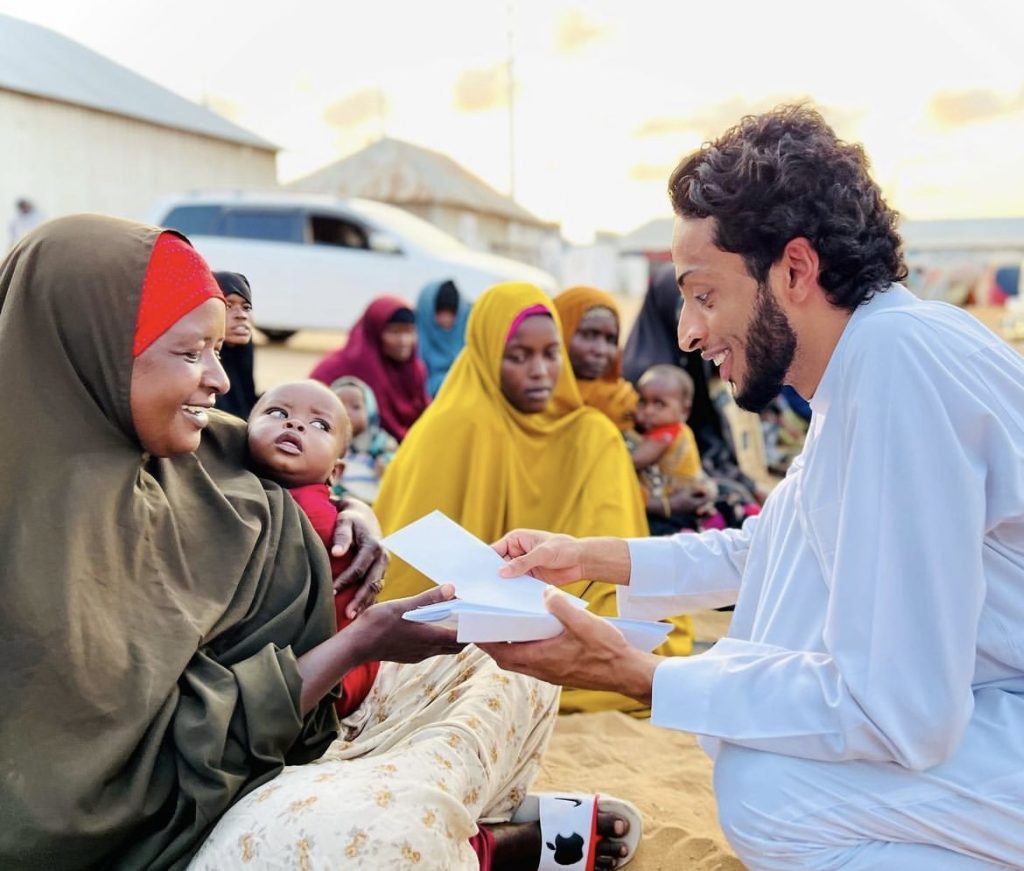
What is Zakat?
Zakat is one of the five pillars of Islam. The word zakat means “purity” and “growth.” By giving zakat, Muslims purify their wealth and share blessings with those in need. It is not only an act of charity, but an obligation for every Muslim who meets the conditions.
Zakat becomes due when a Muslim owns wealth above the nisab (minimum threshold) for one full lunar year. The nisab is measured against the value of:
Gold: 87.5 grams
Silver: 612 grams
The standard rate of zakat is 2.5% of total wealth, whether in cash, gold, silver, or assets that have been held for a full lunar year.
Intention is essential. Giving zakat should always be done sincerely, as an act of worship and obedience to Allah ﷻ.
Give Zakat, Get Khayr
Every zakat you give brings khayr to those in need and brings khayr back to you in reward.
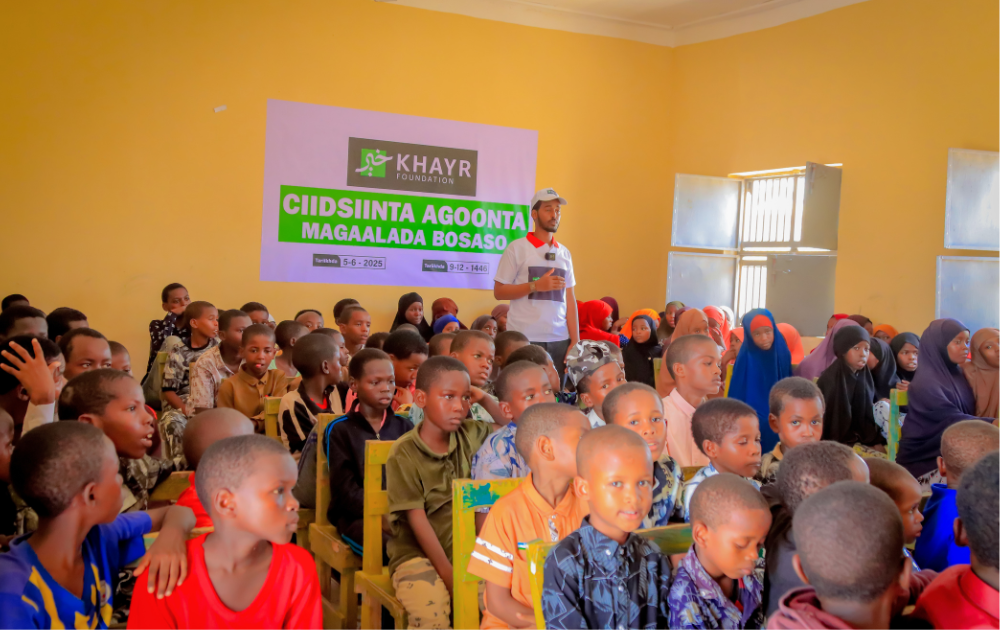
Orphan Support
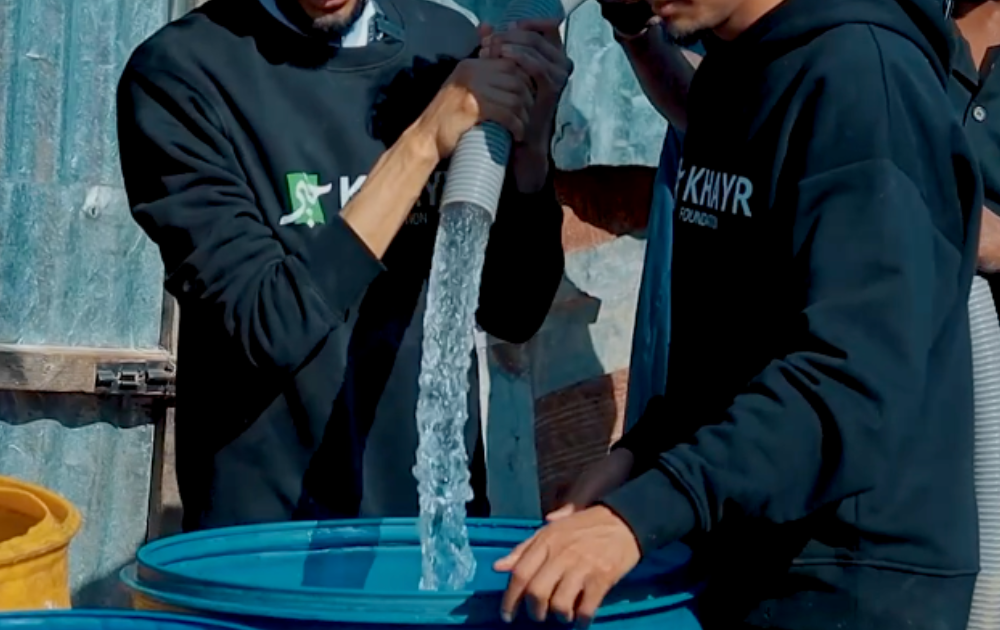
Water Project
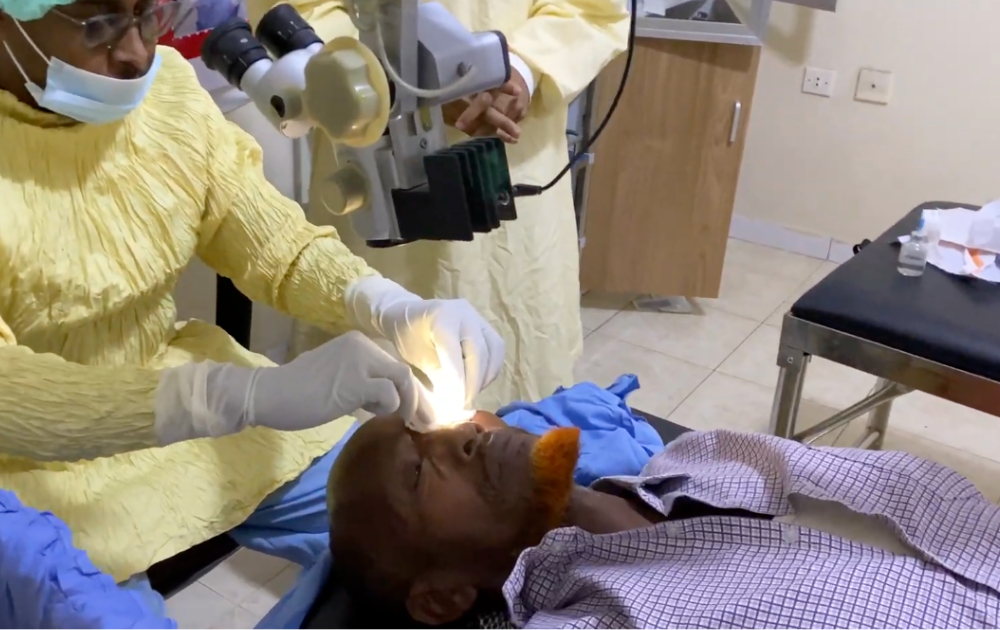
Healthcare & Eye Care

Hooyo Project
100% ZAKAT VERIFIED
At Khayr Foundation, every zakat donation is distributed strictly according to Islamic guidelines. Your zakat is delivered directly to those who are eligible, such as the poor, orphans, and vulnerable families, never diverted elsewhere.
We also strive to keep administrative costs as low as possible, so the maximum benefit reaches those in need. With Khayr Foundation, your obligation is fulfilled with transparency, sincerity, and real impact.
Common Questions
Here are some of the most common questions. If you have a different question or need more details, please contact us.
When am I obligated to pay zakat?
You are obligated to pay zakat once your wealth reaches the nisab (minimum threshold) and you have held that wealth for one full lunar year (hawl). The nisab is based on the value of gold or silver:
Gold: 87.5 grams
Silver: 612 grams
If the total value of your savings, cash, gold, silver, or other zakatable assets equals or exceeds the nisab, and you have owned it for a full lunar year, then zakat becomes due.
Zakat is not only a charitable act but a clear obligation (fard) for every eligible Muslim. Meeting the nisab and the passage of one lunar year are the two main conditions that make zakat compulsory.
When should zakat be given?
Zakat becomes due once a full lunar year has passed since your wealth first reached the nisab (minimum threshold). This is called the hawl. At that point, zakat must be calculated and paid immediately, it should not be delayed without a valid reason.
Many Muslims choose to give their zakat during Ramadan because of the increased spiritual reward in this blessed month. However, zakat can be paid at any time of the year, as long as it is given once it becomes due.
If you wish, you can also pay zakat earlier in the year (before the full lunar year is completed) as an advance, especially if you know your wealth will remain above the nisab.
On which assets do I have to pay zakat?
Zakat is due on specific types of wealth that can grow or increase in value. The main categories include:
- Cash and Savings – money in hand, bank accounts, or mobile wallets.
- Gold and Silver – including jewelry, coins, or bars (if above nisab).
- Business Assets – goods for trade, stock, or investments held for resale.
- Shares and Investments – depending on their nature and zakatable value.
- Agricultural Produce and Livestock – if you own qualifying amounts.
Personal items such as your home, furniture, car, or clothes are not zakatable. Zakat is only due on wealth that has the potential to grow or is considered surplus to daily needs.
At Khayr Foundation, we focus on zakat that is most commonly given today, primarily cash, savings, gold, silver, and business assets.
Who can receive zakat?
The Qur’an (Surah At-Tawbah 9:60) specifies eight categories of people who are eligible to receive zakat:
- The Poor (Al-Fuqara) – those with little or no income.
- The Needy (Al-Masakin) – those who cannot meet their basic needs.
- Zakat Collectors (Al-‘Amilina ‘Alayha) – those who manage and distribute zakat.
- Those Whose Hearts Are to Be Reconciled – new Muslims or those in need of support.
- Captives or Slaves (Ar-Riqab) – to free them from bondage.
- Those in Debt (Al-Gharimin) – people burdened with legitimate debts they cannot repay.
- In the Cause of Allah (Fi Sabilillah) – for efforts that serve Islam and benefit the community.
- The Wayfarer (Ibn As-Sabil) – travelers stranded without resources.
At Khayr Foundation, zakat is directed strictly to those eligible, including orphans, vulnerable mothers, families in poverty, and communities in urgent need of food, water, healthcare, and education.
How is zakat calculated?
Zakat is generally calculated at 2.5% (1/40th) of your total zakatable wealth that has been held for one full lunar year (hawl).
Steps to calculate:
- Work out your total assets – cash, savings, gold, silver, and business assets.
- Deduct liabilities – debts or bills due immediately (e.g. rent, utilities, short-term loans).
- Check the nisab – if the remaining amount equals or exceeds the value of 87.5g gold or 612g silver, zakat is due.
- Calculate 2.5% – multiply your zakatable wealth by 0.025.
Example:
If you have €5,000 in savings and no immediate debts:
€5,000 × 2.5% = €125 zakat.
Khair Foundation uses your zakat directly for eligible causes such as orphans, education, healthcare, clean water, Ramadan meals, and supporting vulnerable mothers.
Can zakat be given in installments or monthly?
Yes. While zakat becomes due once a full lunar year (hawl) has passed over wealth above the nisab, you are allowed to pay it in advance, either in monthly installments or spread across the year.
Many Muslims choose to give zakat in one payment during Ramadan for the added reward, but others prefer to divide it into smaller amounts throughout the year. Both are valid as long as the full zakat amount is given by the time it is due.
Paying monthly can also make it easier to manage your finances while ensuring that the poor and needy receive continuous support.
Can I give zakat on behalf of someone else?
Yes, you may give zakat on behalf of another person, but only with their knowledge and consent. Zakat is a personal obligation (fard) on every eligible Muslim, so the intention (niyyah) must still come from the person whose zakat is being paid.
For example, you can pay zakat on behalf of a family member, such as an elderly parent or someone unable to make the payment themselves, as long as they authorize you to do so. Parents can also pay zakat on behalf of their young children if the children own wealth above the nisab.
What is most important is that the zakat is calculated correctly and distributed to those who are eligible, according to Islamic guidelines.
Who is Khayr Foundation?
Khayr Foundation is a legally registered non-profit organization based in the Netherlands, dedicated to supporting vulnerable communities in Somalia and the Horn of Africa. Our work focuses on providing orphans with food, shelter, and education, building wells and clean water projects, delivering free healthcare and eye care, and supporting struggling mothers through the Hooyo Project. Every initiative is designed to bring hope, dignity, and relief to those who need it most.
What does “100% Zakat Verified” mean?
“100% Zakat Verified” means that every zakat donation given to Khayr Foundation is distributed strictly according to Islamic guidelines. We recognize that zakat is not just charity, it is an obligation and a sacred trust. That is why we ensure your zakat is delivered directly to those who are eligible, such as the poor, orphans, and families in extreme hardship.
Our process is overseen with great care to guarantee that your religious duty is fulfilled in the correct way. We work with trusted local partners who know the communities and can identify those who fall under the rightful categories of zakat recipients.
At the same time, we strive to keep our administrative costs as low as possible, so that the maximum benefit of your donation reaches those in need.
Is my payment secure?
Yes, absolutely. At Khayr Foundation we take the security of your donations very seriously. All online payments are processed through trusted and encrypted payment gateways that comply with international safety standards. This means your personal and financial information is fully protected every time you give.
In addition, we never store sensitive payment details on our own systems, and we only work with certified providers who are specialized in handling charitable donations. Whether you choose to give zakat, sadaqah, or a one-time contribution, you can donate with confidence knowing your payment is safe, secure, and handled with the highest level of care.